


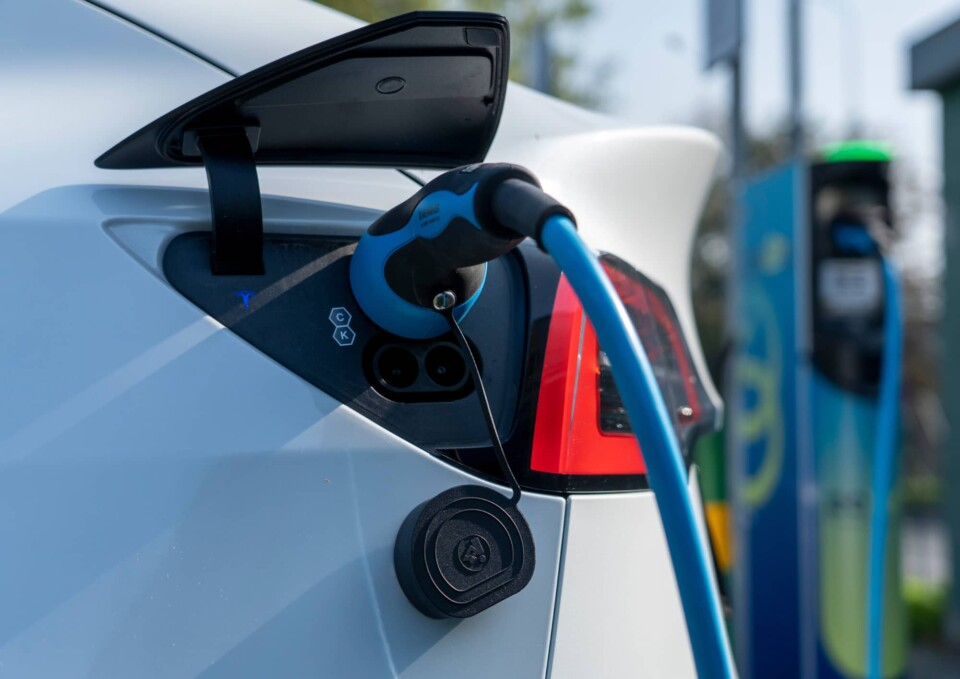
EoL for electric vehicles: The Indian government is thinking about lifting the 15-year cap on these vehicles. The EoL regulations for EVs may now be loosened. Let’s get specific.
To encourage electric cars (EVs), the Indian government is about to make a significant move. EVs that are 15 years old no longer need to be taken off the road. This implies that even after 15 years, electric trucks, buses, and vehicles will still be able to operate smoothly. In addition to extending EVs’ lifespan, this will pique purchasers’ curiosity. EVs may be immune from this restriction, which is already in effect for outdated gasoline-diesel cars that are phased out after 15 years.
Will there be respite for EV?
In actuality, buses, trucks, and cargo vehicles will now be subject to CAFE regulations, which were created to lower vehicle emissions and fuel consumption. To boost their use and sales, electric cars (EVs) will be granted certain exemptions. Rajiv Gauba, a member of NITI Aayog, presided over the meeting where this decision was made. It was brought up in the meeting that EVs are still moving at a very slow pace. The government wants the market share of EVs to increase to 30% by 2030, although it is currently only 7.6%.
New routes created for EV
The majority of buses older than 15 years are owned by private individuals, Road Transport Secretary V Umashankar informed the gathering. NITI Aayog recommended that the EoL requirement for EVs be repealed after learning from this experience. This action can increase EV sales. Additionally, it was explained that requiring EVs won’t work until the infrastructure is prepared.
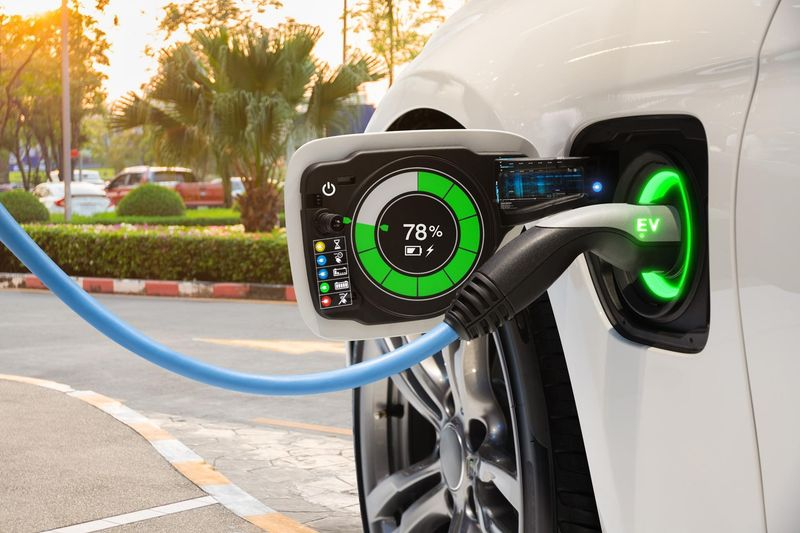
EV adoption will now be governed by a rule.
The government is no longer content to merely provide incentives. In areas where the infrastructure is ready, EVs will now be required. Disincentives may be introduced for businesses or individuals that choose not to use electric vehicles. Additionally, five cities have been chosen to operate buses, cars, and cargo trucks that are entirely electric.
The success of EVs is thought to depend on four factors: easy access to charging stations, quick charging facilities, improved battery technology, and simple financing alternatives for vehicle purchases. Speaking with banks, however, has revealed that they are still reluctant to offer EV loans, primarily due to the expensive cost of batteries and their short lifespan of roughly six to seven years. EVs are quite costly because the battery alone makes up 40–50% of the total cost. In order to accelerate the adoption of EVs, the government has been encouraged to establish defined battery specifications and offer some financial aid or subsidies.
Read More: Vivo T4R 5G Vs Moto G86 Power: Which Better?

| Join Our Group For All Information And Update, Also Follow me For Latest Information | |
| Facebook Page | Click Here |
| Click Here | |
| Click Here | |